
About Us
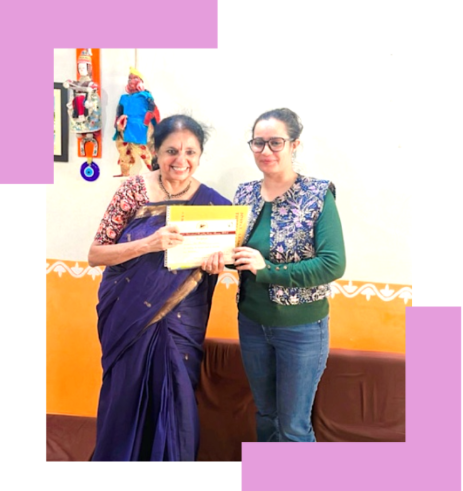
Hi, I’m Iti Sharma, the heart and mind behind Giggles & Fables. My journey began as a software engineer, where logic and structure shaped my world. Later, my love for aesthetics led me into interior design, helping people create spaces that felt alive and comforting.
As I discovered motherhood, I realised that children are increasingly losing touch with imagination as screens took over play-time and learning. I noticed something deeper — a change in how children connect, learn, and play. Screens were slowly replacing imagination.
That’s when Giggles & Fables was born — from a simple yet powerful belief that stories can do what screens can’t. They can nurture curiosity, build emotions, spark creativity, and strengthen the bond between parents and children.
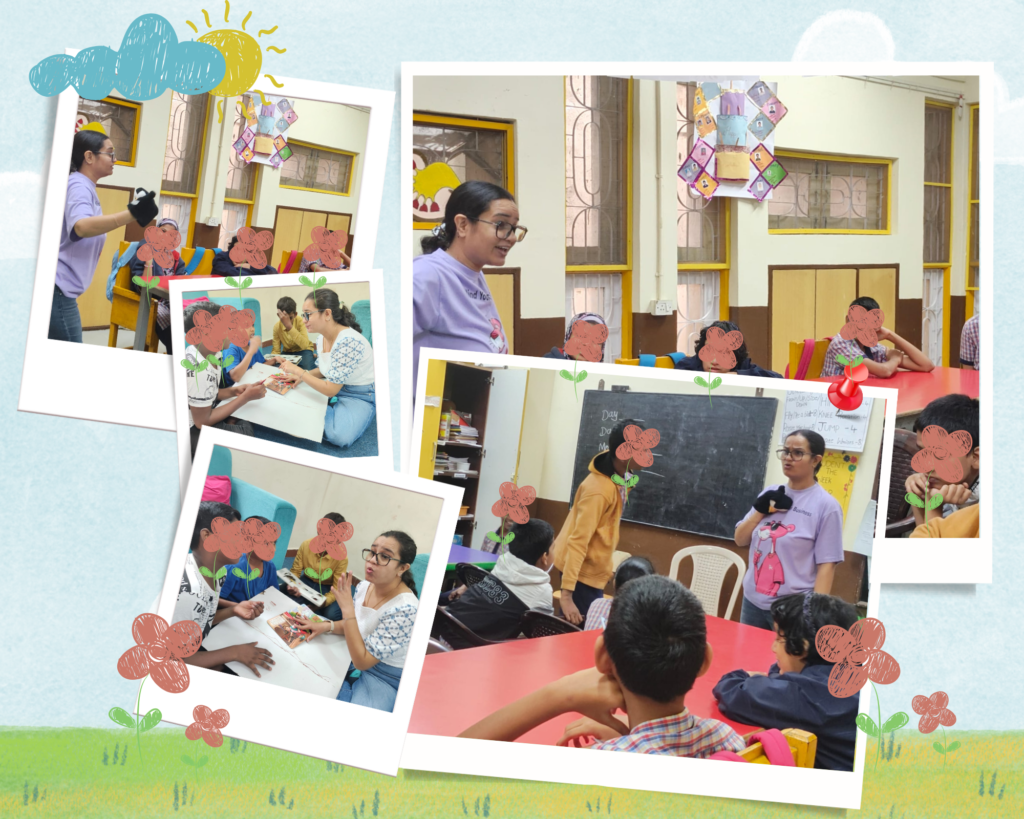
Today, as a certified storyteller from Kathalaya’s International Academy of Storytelling, I use storytelling as a tool to help kids go gadget-free and fall in love with reading, listening, and learning — the natural way. Through engaging stories, hands-on activities, and parent awareness programs, I aim to bring back the magic of childhood — where laughter, imagination, and life lessons bloom together.
I dream of a society where children grow up emotionally strong, creative, and grounded — not defined by gadgets, but inspired by stories.
Welcome to Giggles & Fables — where every giggle tells a tale and every fable shapes a future.
Our Mission
At Giggles & Fables, our mission is to play the role of the friend who empowers children with essential life skills and holistic development through interactive, engaging, and gadget-free experiences, fostering creativity, critical thinking, and well-being. Giggles & Fables was born to ensure that we give our kids a gadget free childhood.
Why we believe
Screen-free storytelling matters
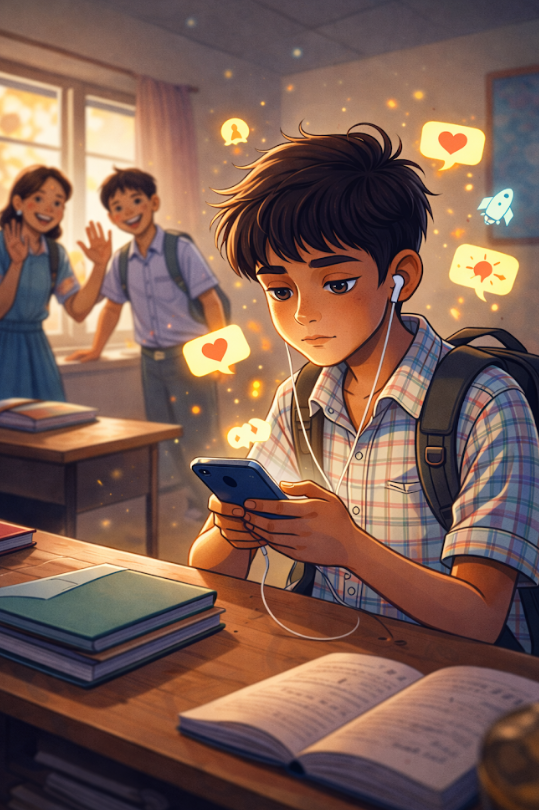
• Childhood innocence is shrinking: Early and excessive exposure to gadgets pushes adult emotions—comparison, fear, validation-seeking—onto young minds, replacing imagination and free play. Storytelling offers a safe, age-appropriate way to explore emotions and meaning.
• From play-based to phone-based childhood: As Jonathan Haidt writes in The Anxious Generation, we have moved from a “play-based childhood” to a “phone-based childhood”, costing children resilience,focus, and emotional strength.
• The data is alarming: Children worldwide now spend 4–7hours a day on screens, alongside sharp rises in anxiety, attention issues, sleep disruption, and social difficulties.
• Lifestyle changes affect development: Reduced outdoor play and constant digital stimulation during key growth years are linked to delays in language, emotional regulation, and social skills. While screens don’t cause autism, excessive screen exposure can worsen sensory overload and developmental challenges.
• Culture reflects the crisis: Netflix’s Adolescence starkly shows how screen obsession can emotionally isolate children.
• Why storytelling matters: Gadget-free storytelling restores imagination, empathy, attention, and human connection helping children grow into emotionally secure and grounded individuals.
Content Created in partnership with